
Martin Dingman
A step forward in refined leather goods
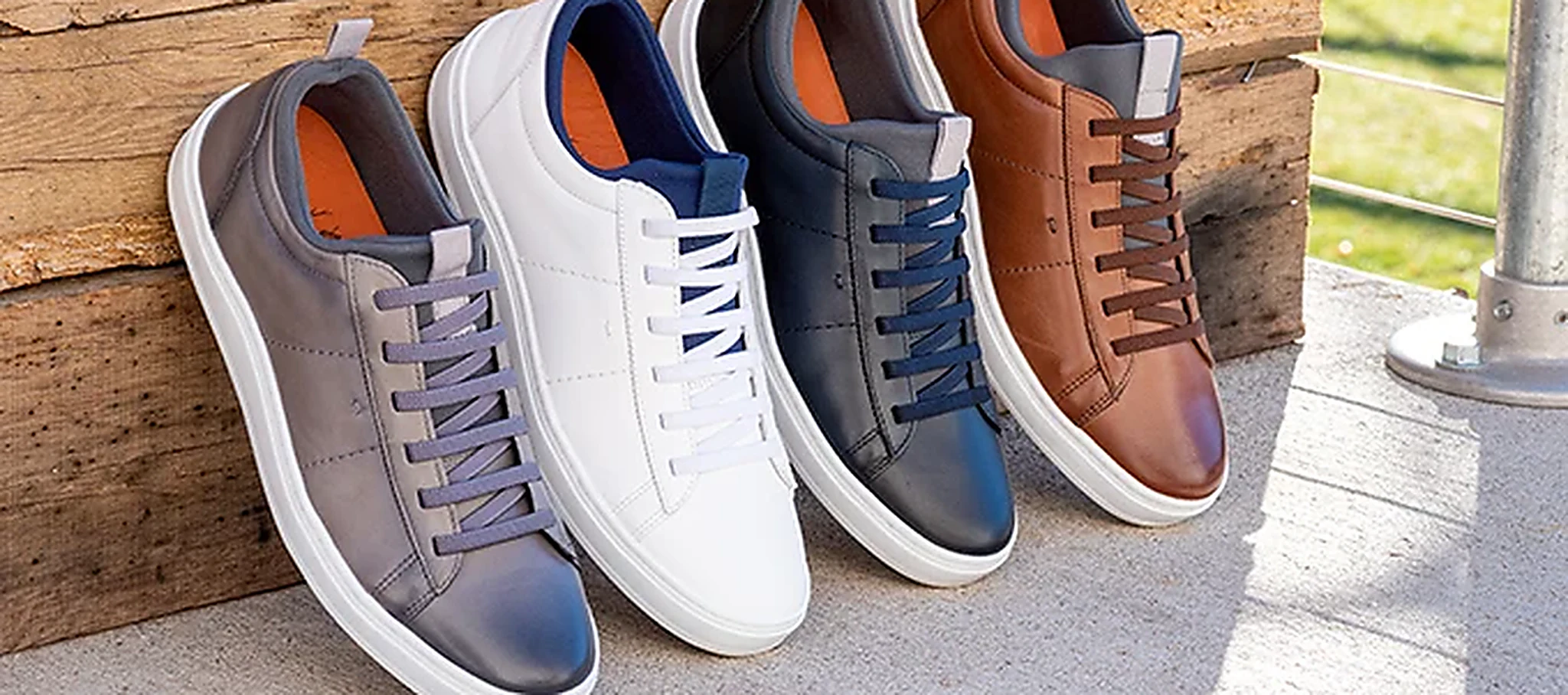
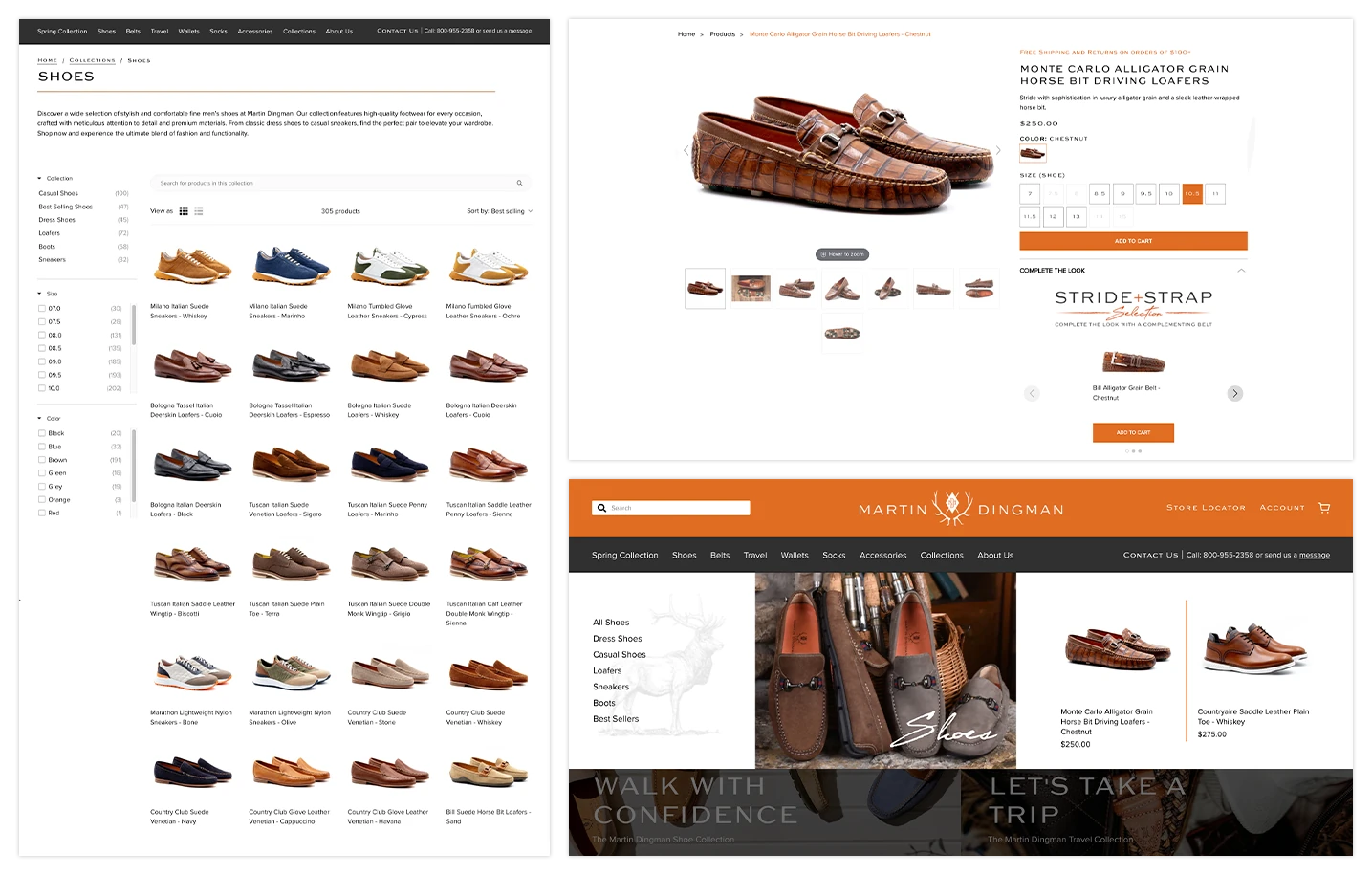
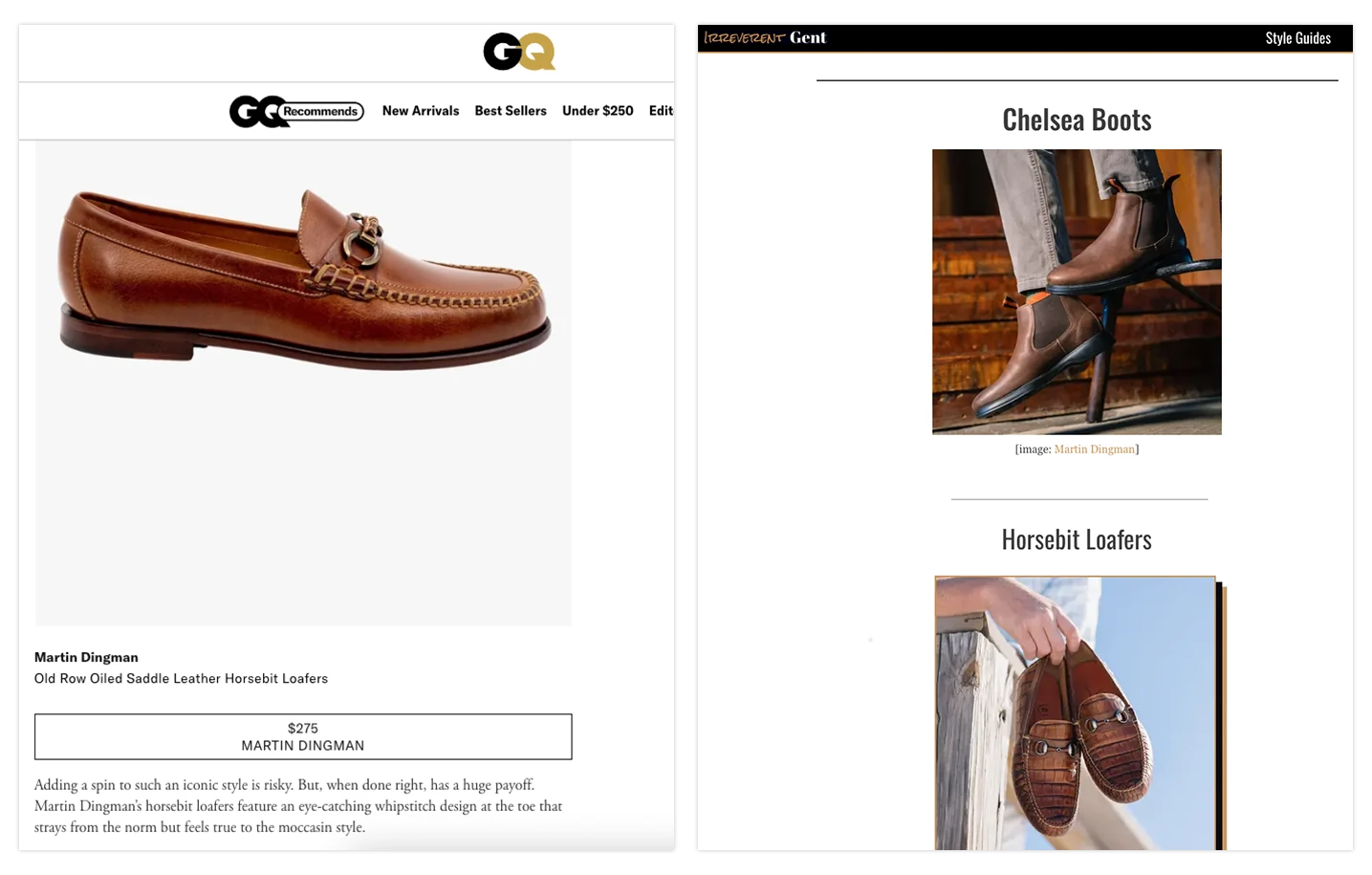
When LimeLight and Martin Dingman began working together, the brand had its sights set on aggressive growth and on becoming a household name. They had a premium product and a loyal customer base, and no clear route to the next level. Their website and their marketing both needed to be elevated to reach a wider audience and to turn new customers into lifelong ones. The challenge we took on was to build a digital experience that matched the quality of the products it was selling, across the website, paid media, SEO, email, conversion rate optimization, and affiliate marketing. Three years in, revenue has nearly doubled and the partnership runs across every channel the brand sells through.
Services
- Website Design
- Conversion Rate Optimization
- SEO
- Paid Media
- Email Strategy
- Affiliate Marketing
Technologies
- Shopify Plus
- Klaviyo
- Google Ads
- Meta
- ShareASale
Three years of compounding growth
Growth like this rarely arrives in one quarter. It compounds, and it shows up first in the metrics that precede revenue.
The first six months produced 18.7% year-over-year revenue growth, largely from fixing what was already there: site performance, product merchandising, and paid media efficiency. Year one closed at 15.6%. Year two, with the full channel mix running, delivered 37.9%. Year three added another 21.1% on a base that had already grown by half.
Across the three years, annual order volume grew 66%, and average order value rose from $245 to $284, so the brand is selling to meaningfully more customers and selling them more per visit.
Organic search became the largest channel on the site
Organic search is the single largest revenue channel for Martin Dingman, accounting for 34% of all attributed revenue. Revenue per organic session is up 58%.
What makes this result unusual is where the growth came from. Organic sessions grew modestly over the three years, while revenue per organic session grew from $25.21 to $39.75. The work targeted the collection and category pages where buying intent is highest, rather than chasing volume through content that converts poorly, so the revenue followed the intent rather than the pageviews.
Rankings tell the same story. Between summer 2025 and summer 2026, the site's average ranking position across all queries improved from 19.8 to 8.6. The collection pages moved with it: all-shoes from position 25.6 to 3.3, all-sale from 21.3 to 2.7, and sport belts from 28.7 to 9.0 with clicks up 149%. The brand's keyword footprint grew from 2,457 ranking terms to 3,797 over two years.
Search impressions rose 17% year over year while clicks rose 4%. AI-generated answers and expanded SERP features are taking a share of clicks across retail search, so click-through rate has stopped being a reliable read on whether search is working. We track rankings and revenue instead, and both rose.
Paid media scaled without losing efficiency
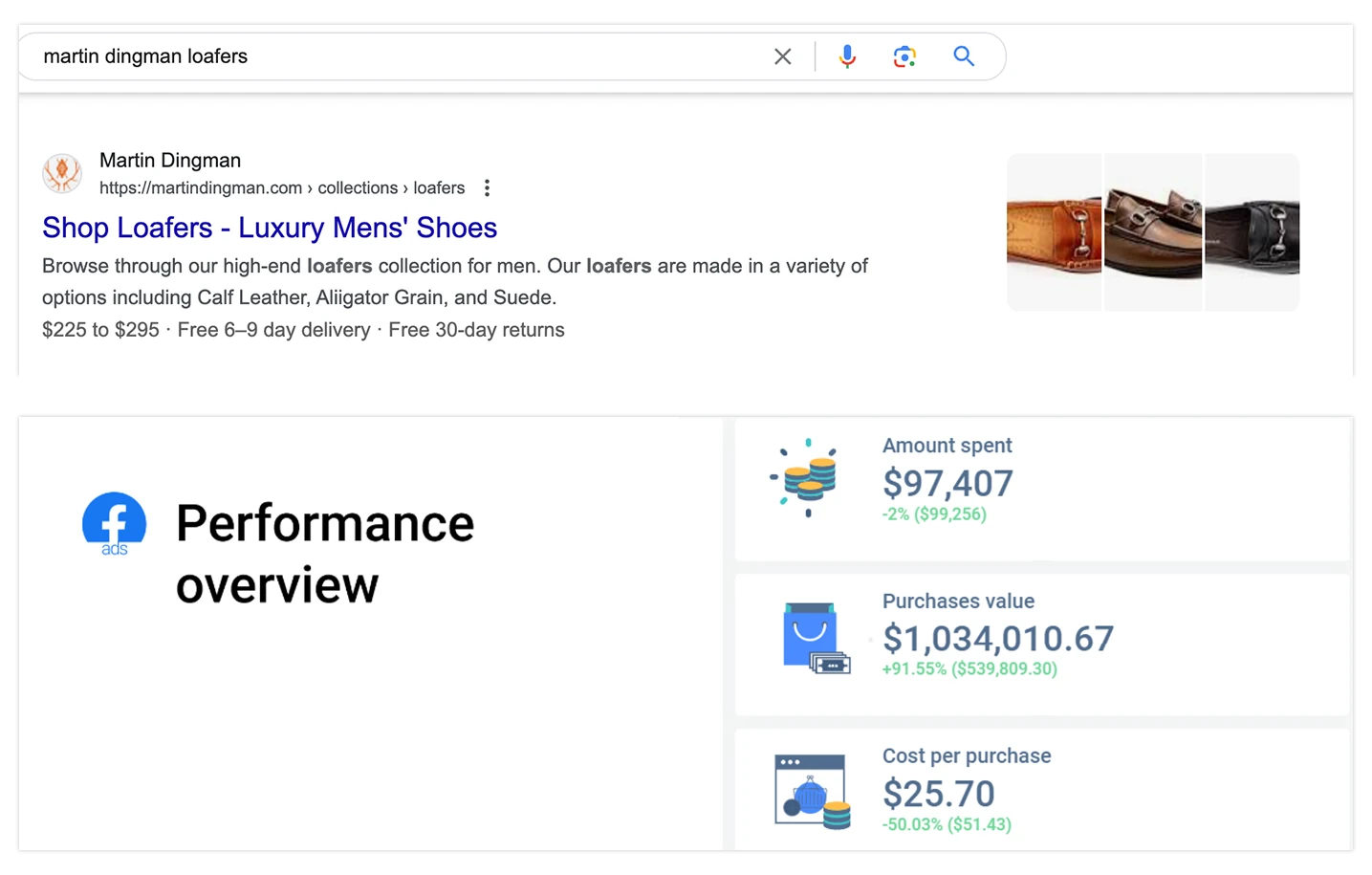
Paid media across Meta, Google, Bing, and Pinterest grew 239% since year one of the partnership. Year two carried most of that expansion at 160% as the channel mix broadened, and year three added a further 31% while the program consolidated around the formats that were working.
Paid social sessions grew 374% across the three years and paid search sessions grew 71%. The site absorbed that volume without diluting performance, which is usually where scaled paid media programs break.
Affiliate partnerships driving growth
Affiliate has moved from a test to a material revenue line. Attributed referral revenue grew 367% since year one, with the sharpest jump of 232% coming in year two as the program found its publisher mix. The program returns $11 for every dollar invested.
A high performing Klaviyo email strategy
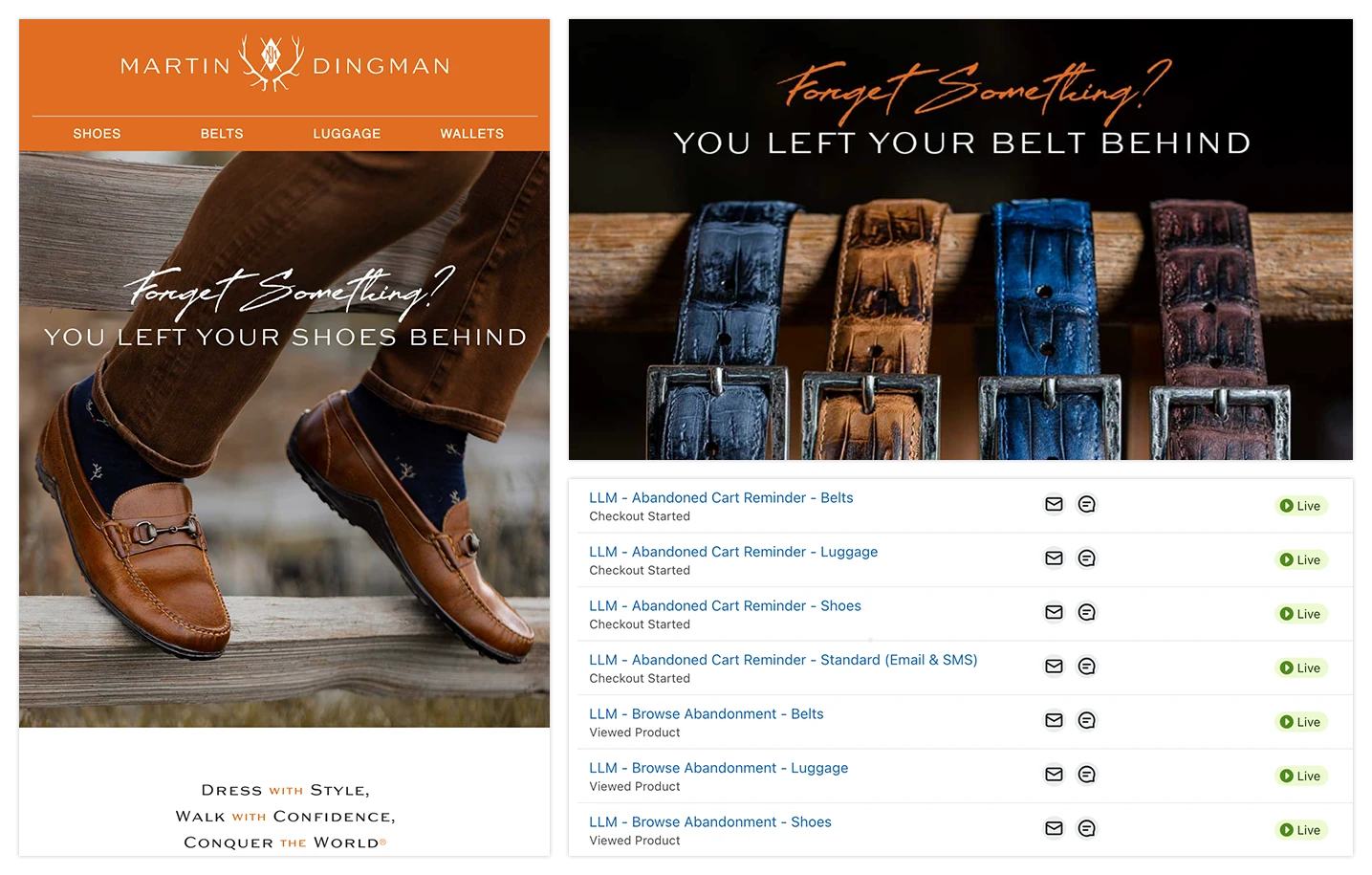
Email was the breakout channel of year three. Attributed email revenue grew 271% year over year, and 583% across the full three years.
Email sessions grew 874% over the same span, driven by a rebuilt flow architecture and a campaign calendar tied to the brand's product releases rather than a generic promotional cadence. Email is now the third-largest revenue channel on the site, behind organic search and direct.
CRO drives revenue
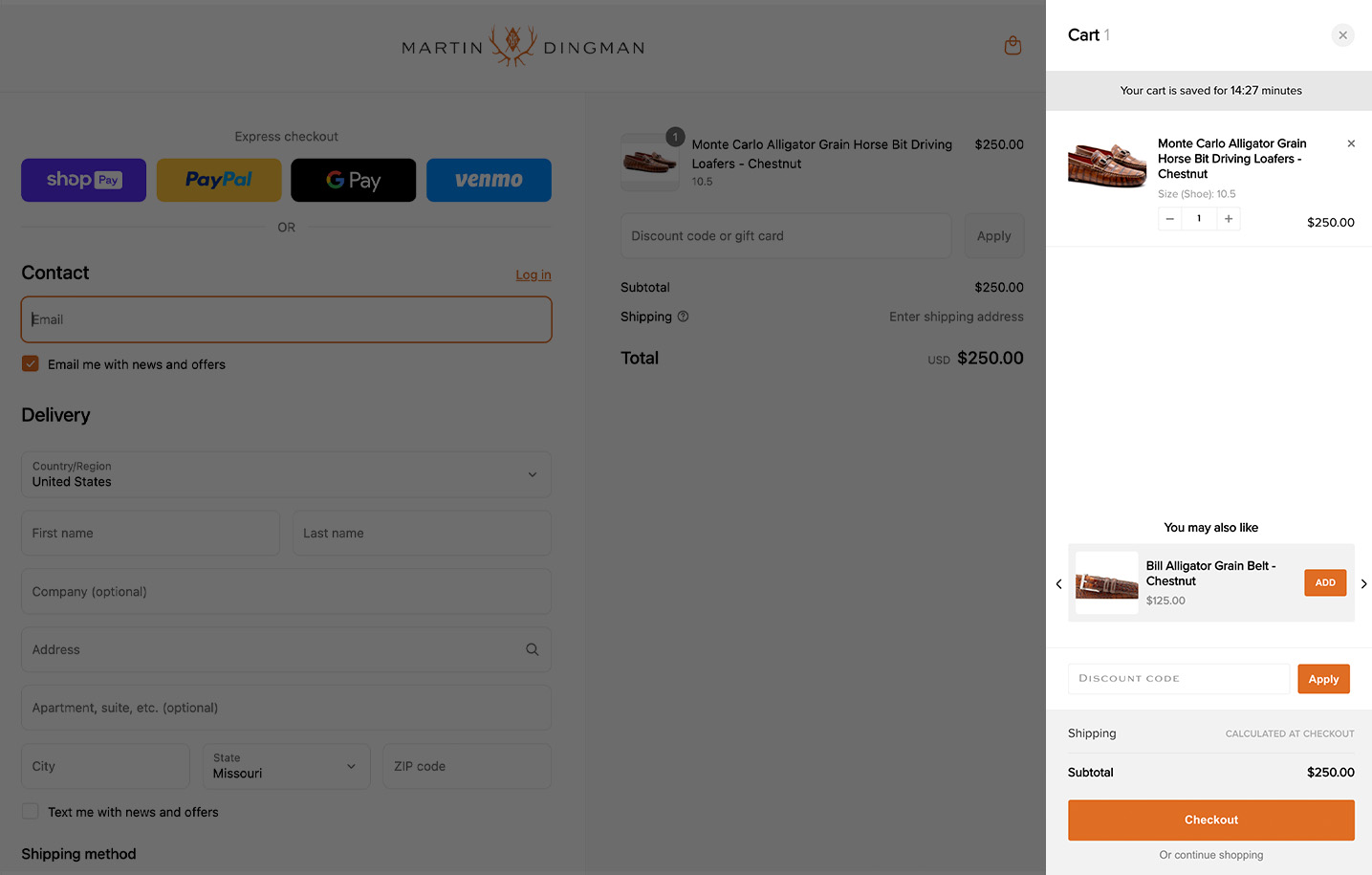
Conversion work ran continuously alongside the channel programs, concentrated on the product detail page, the cart, and the checkout path. The redesigned product detail pages reached an 8% conversion rate during Black Friday, and in-cart upsells now engage 30% of orders.
The store-level evidence supports the direction: average order value rose from $245 to $284 across the three years, a 16% increase, while order volume grew 66% over the same span.
Morton Salt
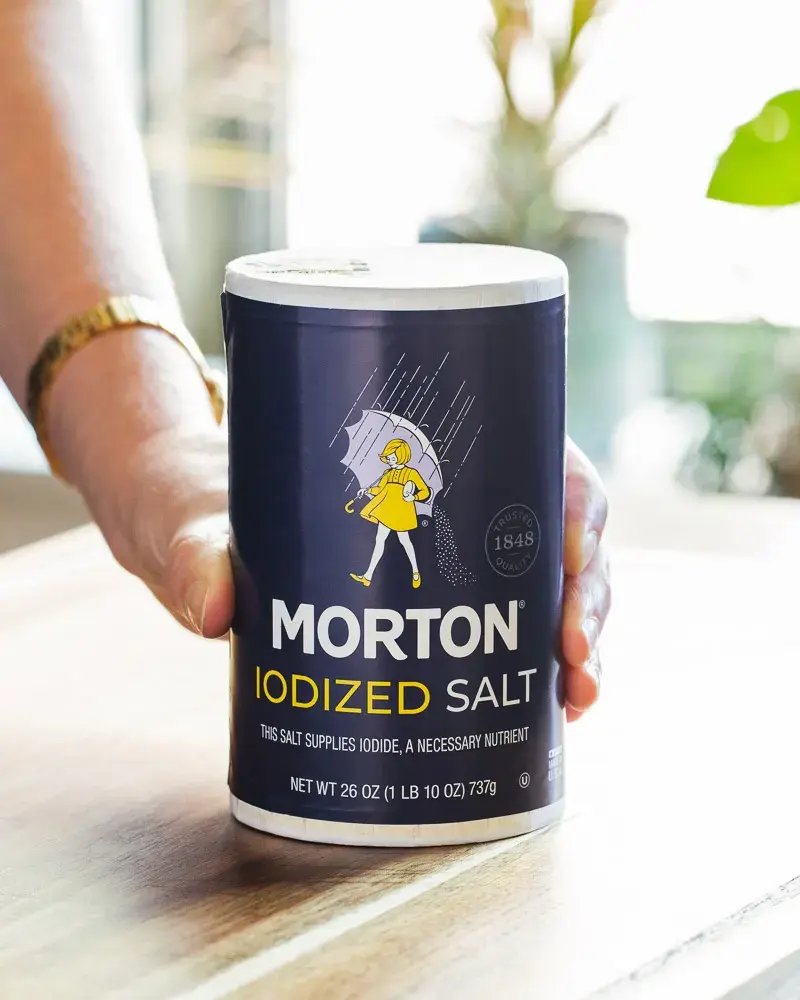
A rebuilt website for an American icon, with navigation tested before it was built.View case study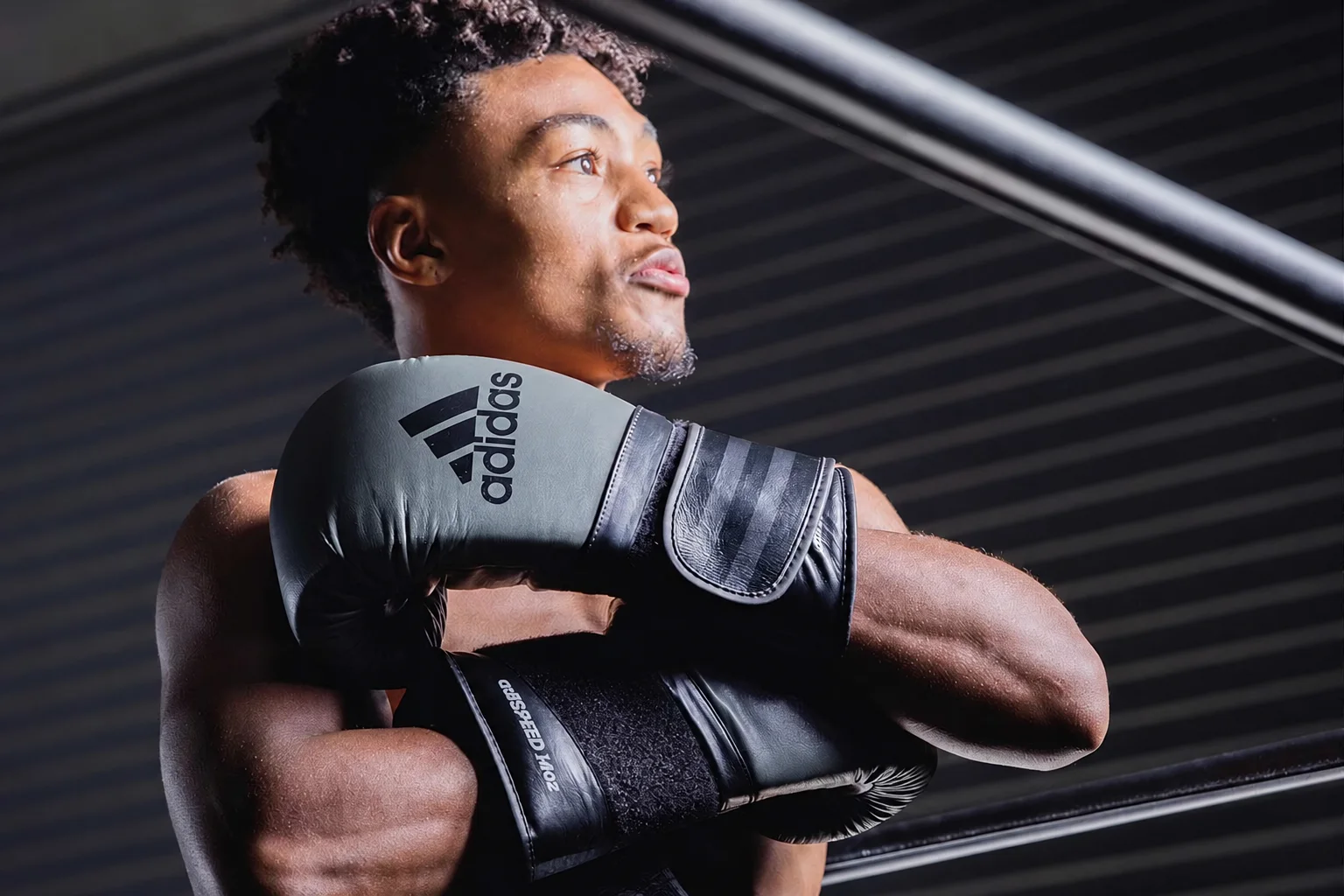
Adidas Combat Sports
Paid media, website and email working together. 180% growth in new customers.View case study
Code of Silence
Store redesign, search, paid social and email with Fleet. Total sales up 70% and new customers up 101%, July to September 2026.View case studyLet’s talk
Let’s find your next priority.
Tell us what you want to change. We’ll help you find the right place to start.