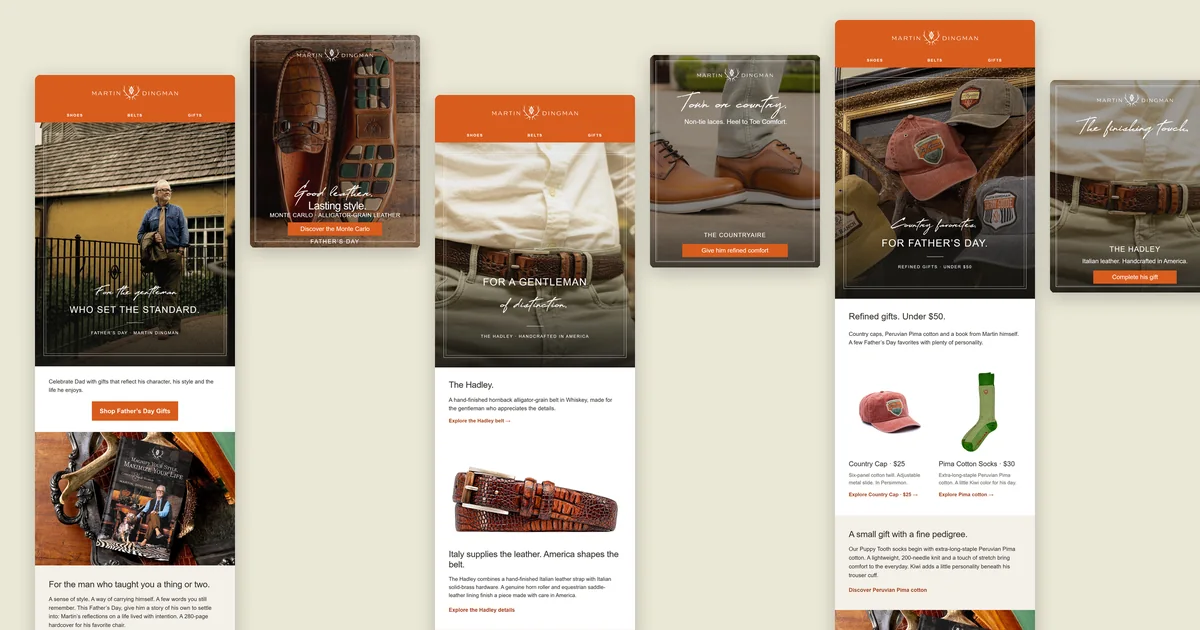
What is a Lifestyle Brand?


A lifestyle brand builds connection around shared values and identity, not just products. When a company aligns its mission, its story, and its aesthetic, it stops selling things and starts selling belonging. Customers become a community, and that community becomes the brand's best marketing.
Buyers have changed. People are quick to tune out a glossy headline or a pop-up, and slow to trust anything that feels like a pitch. We want to make our own choices and buy from (or aspire to buy from) brands that engage with us as people, not as transactions. That shift is exactly why lifestyle brands win: they earn loyalty, lead with authenticity, and build trust long before they ask for a sale.
What exactly is a lifestyle brand?
A lifestyle brand creates products, services, and (critically) stories built around the life its customers aspire to live. Day to day life is mostly ordinary. Even when we enjoy our work, our families, and our friends, we carry desires and aspirations for a better version of things. Lifestyle brands connect with those feelings and show us a more ideal version of ourselves, the one we could become with a few small changes: the products we buy, the food we eat, the way we move.
So the definition of a lifestyle brand is one that taps into and shapes our emotions, aspirations, and beliefs. It embeds itself into our personal identity and creates a sense of belonging to a community or a mindset we admire. The best ones do not sell shoes; they convince people they can be the kind of person who wears them, and that the brand will help them get there.
These are the brands we follow on social media even when we do not own anything they sell yet. We follow them because they represent something about us, and about the people we want to be associated with.
That depends on real understanding. A lifestyle brand knows its audience well beyond demographics; it understands their psychographics, the experiences they crave, and the people, places, and ideas that motivate them. Without that knowledge, a brand cannot create desire or earn an emotional connection. The ultimate goal is simple to state and hard to earn: the brand's products help define how its customers live.
Keep Reading: My Personal Customer Journey with Cuts, the Athleisure Brand for the Sport of Business
How do lifestyle brands create loyalty?
Lifestyle brands know what their customers want from life: the things they want to own, what they want to achieve, and the person they want to become. That knowledge lets them tailor every experience and every piece of content to what their audience actually wants. It is powerful for the brand and genuinely useful for the customer, who gets ideas, products, people, and experiences worth caring about.
No matter the industry, lifestyle brands embody the values, beliefs, and attitudes of a specific audience. They build a kind of subculture and weave it, along with the product, into how people live. These brands keep rising because customers now expect more than to be sold to. It is no longer just about owning a Rolex; it is about living the life of someone who does.
7 things all lifestyle brands have in common
Lifestyle brands share a set of traits regardless of industry or price point. They all:
- Connect with a specific audience, and understand what makes that audience tick.
- Earn a devoted, highly engaged following.
- Answer an emotional desire, not just a functional need.
- Are trusted and respected by their audience, which turns into loyalty.
- Create content that is about far more than their products.
- Build a focused product roadmap around what matters most to that audience.
- Make their customers feel like a better version of themselves.
They also understand that purchase decisions are emotional more than logical. When the purchase is aspirational, it comes from the heart before the head.
LimeLight did an excellent job! The website looks great, and everyone on the project was very professional. In addition, Kristina did a great job getting us through the website development and she was always very responsive to our requests and changes (even to the most minor changes that were needed right before launch).
Jeff Heck, President and General Manager, ATEC
Examples of lifestyle brands
The strongest lifestyle brands earn trust and advocacy by showing people a better or more ideal version of themselves, with the brand's help, of course. They come from wildly different industries, because our aspirations and values are just as varied. A few brands that do it exceptionally well:
- Patagonia. Patagonia turned environmental values into the core of its identity. It has given 1% of sales to environmental causes since the 1980s, an "Earth tax" that helped seed the 1% for the Planet movement. In 2022, founder Yvon Chouinard transferred ownership so that all profits not reinvested in the business now fund climate work, declaring that "Earth is now our only shareholder." Customers do not just buy jackets; they buy into a worldview.
- Lululemon. Lululemon grew from yoga apparel into a wellness lifestyle by investing in community rather than celebrity. Instead of famous endorsers it built a network of local ambassadors, yoga instructors and trainers, and it hosts in-store run clubs and classes that turn stores into gathering places. The product is the entry point; the community is the reason people stay.
- Glossier. Glossier was born from the beauty blog Into The Gloss, and it built its products with its audience rather than just for them. Readers and customers helped shape formulas, packaging, and messaging, which created a fiercely loyal community that markets the brand on its behalf. It is a textbook case of identity and belonging coming before the product.
- Red Bull. Red Bull is often described as a media company that happens to sell a drink. Through Red Bull Media House it produces films, events, a magazine, and a streaming platform built around extreme sports and adventure. The marketing rarely shows the can; it sells a high-energy way of living, and the product comes along for the ride.
Each of these brands also makes itself genuinely hard to copy. They inspire loyalty regardless of price, because switching would mean stepping away from values their customers have made part of who they are.
Check out our marketing for lifestyle brands resource for more on every aspect of building one, or get in touch if you want to talk through how LimeLight Marketing can help your brand.
How to build a lifestyle brand
You do not become a lifestyle brand by adding a tagline. It comes from doing a few hard things consistently:
- Define what you actually stand for. Pick a clear point of view and a set of values you are willing to act on, even when it costs you. A position that offends no one rarely inspires anyone.
- Know your audience beyond demographics. Understand the life your customers aspire to, how they see themselves, and the communities they want to belong to.
- Tell a story bigger than the product. Lead with identity and belonging, and let the product be the proof rather than the pitch.
- Build community, not just an audience. Give people a reason to gather, contribute, and bring others in, online and in person.
- Stay consistent everywhere. Voice, visual identity, product, and experience all have to say the same thing, or the trust never compounds.
Done well, the product stops being the reason people buy and becomes proof that they belong.
People also asked:
What is a lifestyle brand?A lifestyle brand is built around a set of values, beliefs, or aspirations, not just features. People buy it because it reflects who they are, or who they want to become.
How is a lifestyle brand different from a traditional product brand?Traditional brands lead with product benefits. Lifestyle brands lead with identity and belonging, and the product becomes proof of membership.
Why do lifestyle brands build stronger loyalty?Because when people feel aligned with what a brand stands for, they will advocate for it, defend it, and come back, even in competitive categories or at higher price points.
Can any business become a lifestyle brand?Not every category supports it naturally, but many can. The key is a strong, authentic point of view, held consistently across channels, product, voice, and community.
How does LimeLight Marketing help brands become lifestyle brands?LimeLight works on brand positioning, story, visual identity, and go-to-market so a company can shift from selling "what we make" to "what we stand for."